



 |
Recession Fears Return Thanks To High Oil Prices(0)
As the world faces its biggest oil crisis since the 1970s, politicians are blaming every one - President Obama, Iran, QE and Saudi King - for high oil prices. How about putting some blame on Israel for pushing the world into another unwanted war. READ MORE HERE |
 |
S&P: Which Middle East Companies & Countries Will Suffer If Strait of Hormuz Is Blocked?(0) It’s a crisis that won’t go away. While the region is no stranger to Israelis and Iranians trading insults and threats, Tel Aviv’s latest hue and cry over Iran’s nuclear ambition refuses to die down. Recent bombing attacks on Israeli embassies in New Dehli, Tbilisi (Georgia) and Bangkok was blamed on Iran - claims denied by Tehran - have frayed nerves and the Iranian President Mahmoud Ahmadinejad did nothing to soothe them by attending an event that highlighted Iran’s “nuclear achievements” on Wednesday. |
 |
Saudi Arabia’s Balancing Act(0) While publicly Saudi Arabia may not like Iran’s warning that the Kingdom should not make up for lost Tehran oil production, privately the Kingdom won’t mind as that keeps oil prices well above their budget target of USD90. |
 |
Syria’s Arab Spring & The Race For Regional Hegemony(0) By Alon Ben-Meir The Arab Spring is changing the political and strategic map of the Middle East as we know it in ways that will persist for decades to come. Notwithstanding the domestic developments in each country, the Arab Spring is uprooting long-standing authoritarian regimes, antagonists and protagonists to the West alike, and is creating a vacuum that regional powers will quickly attempt to fill. Each of the regional powers in the Middle East - Egypt, Saudi Arabia, Turkey, Iran, and Israel - are poised to exploit the uprising to their advantage. New regional alliances could emerge, as could a new “cold war” and the potential of violence between the competing powers. What is certain now, however, is that the Syrian upheaval thrusts Turkey and Iran into a collision course because they have opposing geostrategic interests that neither of them can afford to ignore. |
 |
A Market Bubble Made In Tehran(0) The Iranian bourse is in the midst of a fantastic rally on the back of high oil prices, new initial public offerings and lack of other investment opportunities for Iranians.
With a number of sectors represented on the index, Iranians are benefiting from investing in a deep, liquid environment, trading around 200 million shares per day in a market that is capitalised at $100-billion - roughly the size of UAE and Kuwaiti bourses and much bigger than the Egypt Stock Exchange. |
 |
Iran’s Oil Exports Set To Hit $100Bn in 2011, Despite Crippling Sanctions(0) With a string of impressive economic policies, Iran has ensured that it remains a major energy supplier, despite various restrictions imposed by the western international community. But while Iran has benefited from high oil prices, lack of major investments in the country’s energy sector could hamper growth and continue to handicap the country’s economic prosperity. Add to this dynamic, is Tehran’s controversial nuclear programme and its divisive role in regional politics, which makes it a target for many countries around the region that are eager to hurt Iran’s economy. READ MORE HERE |
 |
Why The Arab Spring May Yet Come To Saudi Arabia(1) It was an unlikely public display of affection. Close to 2,000 Syrian expatriates gathered on the streets of Jeddah, carrying Saudi flags and pictures of the Saudi King to thank him for criticising Syrian President Bashar Al Assad and demanding an end to his wretched violence against his own people. In an unusually frank criticism, the King demanded that Al-Assad end the violence against his own people, breaking the silence in the Arab World over one of the biggest atrocities being committed within the region. But, “as a number of Saudi youths started joining the gathering [of Syrian expatriates], police intervened and dispersed the people peacefully,” reported Arab News. READ MORE HERE |
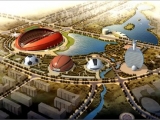 |
McKinsey’s Future Middle East and Global Cities Report Highlights Cairo, Doha and Al Ain - yes, Al Ain(0) Reading McKinsey’s Urban World: Mapping The Power Of Cities convinces us that the world will belong to China by 2025 - we will just be living in it. Forget the Middle East and its oil wealth, or Latin America with its flair, charm and commodity-fuelled brilliance, or even India with its bursting economic ingenuity and labour power - China will dominate the proceedings. Read More Here |
 100 Largest Economies By 2050: HSBC Middle East’s Top 25 Banks 9 Challenges Facing The New Crown Prince Of Saudi Arabia Egypt Will Surpass Saudi Economy By 2050: HSBC Top 10 Middle East Fund Managers
  Tanzania LNG on backburner amid constitution review Saudi Arabia 6th Richest Economy By 2050: Citibank SPECIAL COMMENT: Islamic Venture Capital - A Distinguishing Factor The Case For Muslim BRIC: Saudi, Ankara (Turkey), Malaysia & Indonesia, or SAMI Saudi and Opec breakeven oil prices are rising at worrying levels
 Sorry. No data so far.
 Latest Analysis
Contacts and informationAlifArabia aims to provide analysis on Middle East and Africa business and political issues. It wants to see a thriving and dynamic Middle East that encourages corporate and government transparency, investments and policies that allow the economies to grow.
|
Social networks |
Most popular categories |